wie schön, dass Sie meine Webseite gefunden haben.
Viel Spaß beim Stöbern zu mir und meinen Therapiemethoden.
Bitte beachten Sie auch die Seite mit Aktuellen Informationen.
Über mich
Physiotherapie, Osteopathie, Micronährstoffe und Microbiom
„Ich glaube, dass der menschliche Organismus eine
Apotheke ist und alle Heilungen der Natur
darin zu finden sind.“
in Anlehnung an Andrew Taylor Still, Gründer der Osteopathie
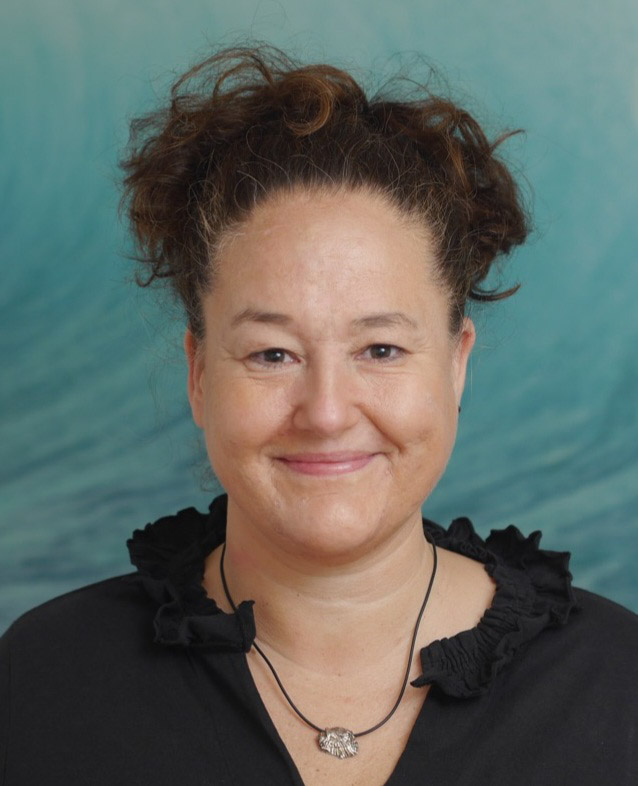
Als echter Fischkopp wurde ich 1976 in Altona geboren und bin schon eine ganze Weile glücklich verheiratet und in meiner Heimat zwischen Ottensen, Altona und Othmarschen sesshaft geworden.
Meiner Ausbildung zur staatlich geprüften Physiotherapeutin (1996-1999) folgten Fortbildungen im Bereich der Physiotherapie:
- zur Brügger Therapeutin,
- für medizinische Trainingstherapie nach Brügger
- und für therapeutisches Walking und zur Rückenschullehrerin.
Im Anschluss studierte ich von 2002 bis 2007 berufsbegleitend Osteopathie an der OSD (Osteopathie Schule Deutschland).
Osteopathische Fortbildungen habe ich folgende absolviert:
- Mechanical Link
- Total Body Adjustment
- Gynäkologie mit Renzo Molinari
- Jane Stark, Faszien
- Faszien Distorsions Modell, (http://fdm-europe.com).
- Gynäkologie und craniale Osteopathie beim Institut Fulcrum-postgraduate
2010 bis 2014 habe ich mir erneut das Grundstudium am College Sutherland gegönnt, um bei den sehr erfahrenen KollegInnen reinzuschauen.
2015 habe ich die Verbandsprüfung bestanden und seit 2015 unterrichte ich Jones-Techniken, GOT und Klinikum am College Sutherland und an der College für Osteopathie.
2016/17 habe ich die Ausbildung zur Pferdehysiotherapeutin/Pferdeosteopathin erfolgreich absolviert. Seit 2020 unterrichte ich die Jones-Techniken auch für postgraduate Pferdeosteopathen.
Herbst 2021 bis Sommer 2023 habe ich bei PaleoMental meine Ausbildung zum Micronährstoffberater absolviert. Sommer 2023 den Ernährungsberater und bin in den letzten Zügen der Ausbildung zum Microbiomberater.
Dies sind Ausbildungen, die mich auch aktuell persönlich sehr viel weiter gebracht haben und mein Portfolio für Sie erweitern.
Oktober 2022 startete ich mein Studium zum „Master of science Osteopathy“ an der Wiener Schule für Osteopathie und der Donau Universität Krems.
Zu meiner beruflichen Qualifikation kommt hinzu, dass ich selbst gesundheitliche Probleme erlebt habe und Ihnen nun mit dieser Erfahrung zur Seite stehen kann.
Ich freue mich auf Sie!
Gesetzliche Berufsbezeichnung:
Physiotherapie: Staatlich anerkannte Physiotherapeutin
Heilpraktikerin: Staatlich anerkannte Heilpraktikerin.
Staat, in dem Berufsbezeichnung verliehen wurde: Sowohl Physiotherapeutin als auch Heilpraktikerin in Hamburg, Bundesrepublik Deutschland
Berufsrechtliche Regelungen Physiotherapie:
Deutscher Verband für Physiotherapie-Zentralverband der Physiotherapeuten / Krankengymnasten (ZVK) e.V.
Deutzer Freiheit 72-74, 50679 Kölln, eMail: info@zvk.org
Berufsrechtliche Regelungen Osteopathie:
Verband der Osteopathen Deutschland (VOD) e.V.
Untere Albrechtstr. 15, 65185 Wiesbaden, Tel.: (0611) 91 03 66 1, Fax: (0611) 91 03 662